Fall menu planning for restaurants is not just about adding pumpkin, squash, and seasonal comfort foods to the menu. For foodservice operators, the bigger opportunity is building a fall menu that feels fresh, seasonal, and practical for the kitchen.
October is a natural reset point for restaurants, caterers, cafés, bars, and foodservice businesses. Guests are looking for warmer flavors, heartier dishes, game day favorites, and fall-inspired specials. At the same time, operators need menu ideas that help manage food costs, reduce waste, support staff efficiency, and work across multiple parts of the business.
The strongest fall menus are not always the largest. Often, they are built around versatile ingredients that can be used in several ways across dine-in menus, catering programs, limited-time offers, and seasonal specials.
Start with Ingredients That Work Across the Menu
A smarter fall menu starts with ingredients that can do more than one job. Instead of adding too many new items, operators can choose seasonal products that support multiple menu applications.
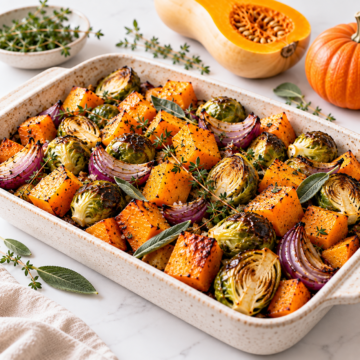
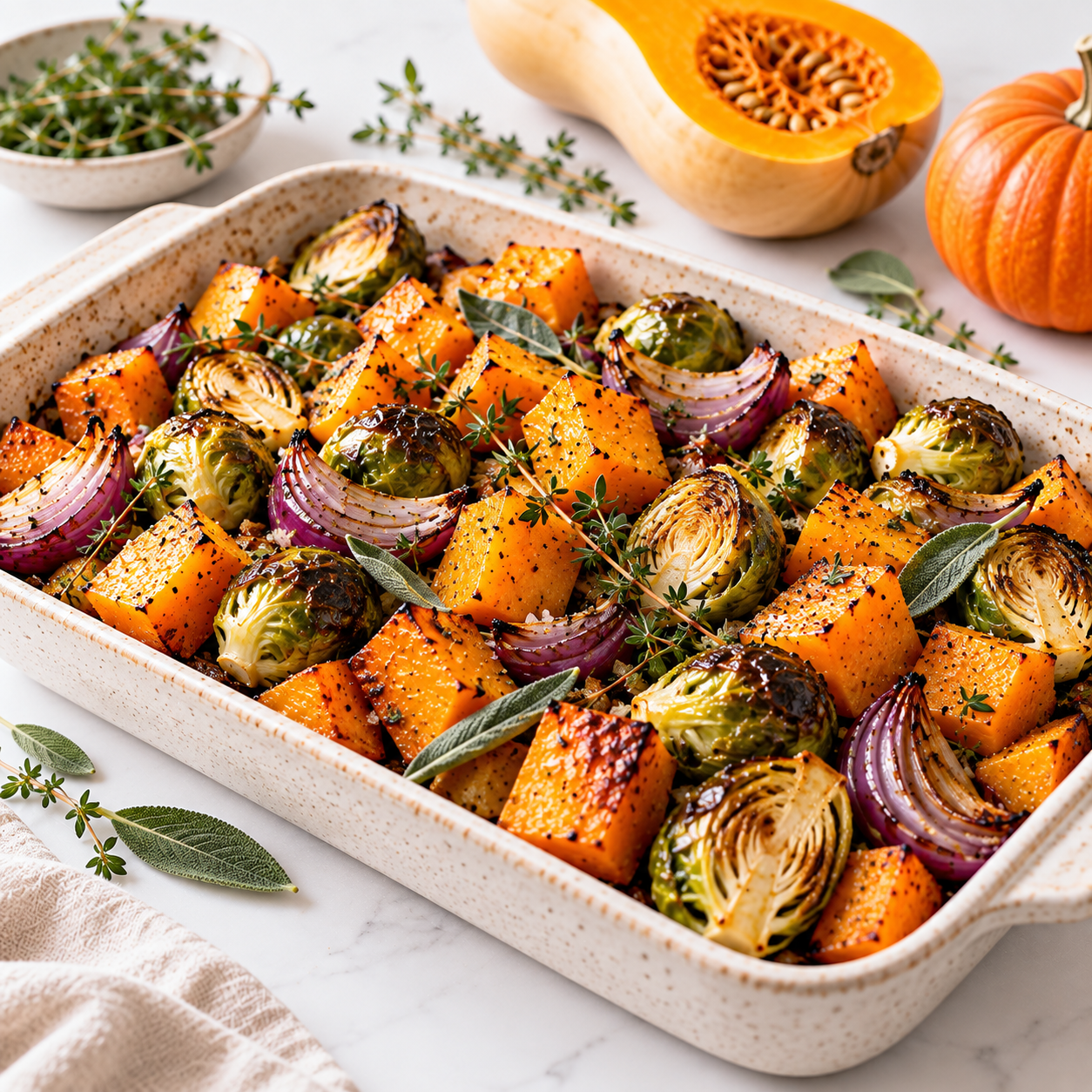
Roasted squash can become a side dish, a grain bowl topping, a pasta feature, a soup garnish, or a catering tray item. Brussels sprouts can work as an appetizer, a seasonal side, a bowl ingredient, or a limited-time special. Apples can add freshness to salads, slaws, sandwiches, desserts, and catering platters.
This approach gives restaurants more flexibility while keeping prep manageable. It also helps operators create seasonal variety without overwhelming the kitchen.
Versatile Fall Ingredients to Consider
- Butternut squash: soups, pastas, grain bowls, salads, roasted sides
- Brussels sprouts: appetizers, seasonal sides, bowls, catering trays
- Apples: salads, slaws, sandwiches, desserts, fall catering platters
- Root vegetables: roasted sides, entrée pairings, soups, family-style meals
- Leafy greens: salads, warm bowls, sandwich builds, seasonal sides
- Roasted proteins: entrées, sandwiches, bowls, catering packages
Turn One Prep Item Into Several Menu Opportunities
One of the most practical ways to build a fall menu is to think in terms of cross-utilization. A single prep item can support several menu categories when planned correctly.
For example, roasted butternut squash can be used in a fall grain bowl with greens and grains, folded into pasta with herbs and cheese, added to a roasted vegetable side, or featured in a catering package. The same ingredient can help create multiple seasonal menu items without requiring completely separate prep work.
This type of planning is especially useful for operators managing tight labor, limited storage, or smaller kitchen teams. It allows restaurants to offer seasonal variety while keeping execution simple.
Build Fall Specials Around Comfort and Value
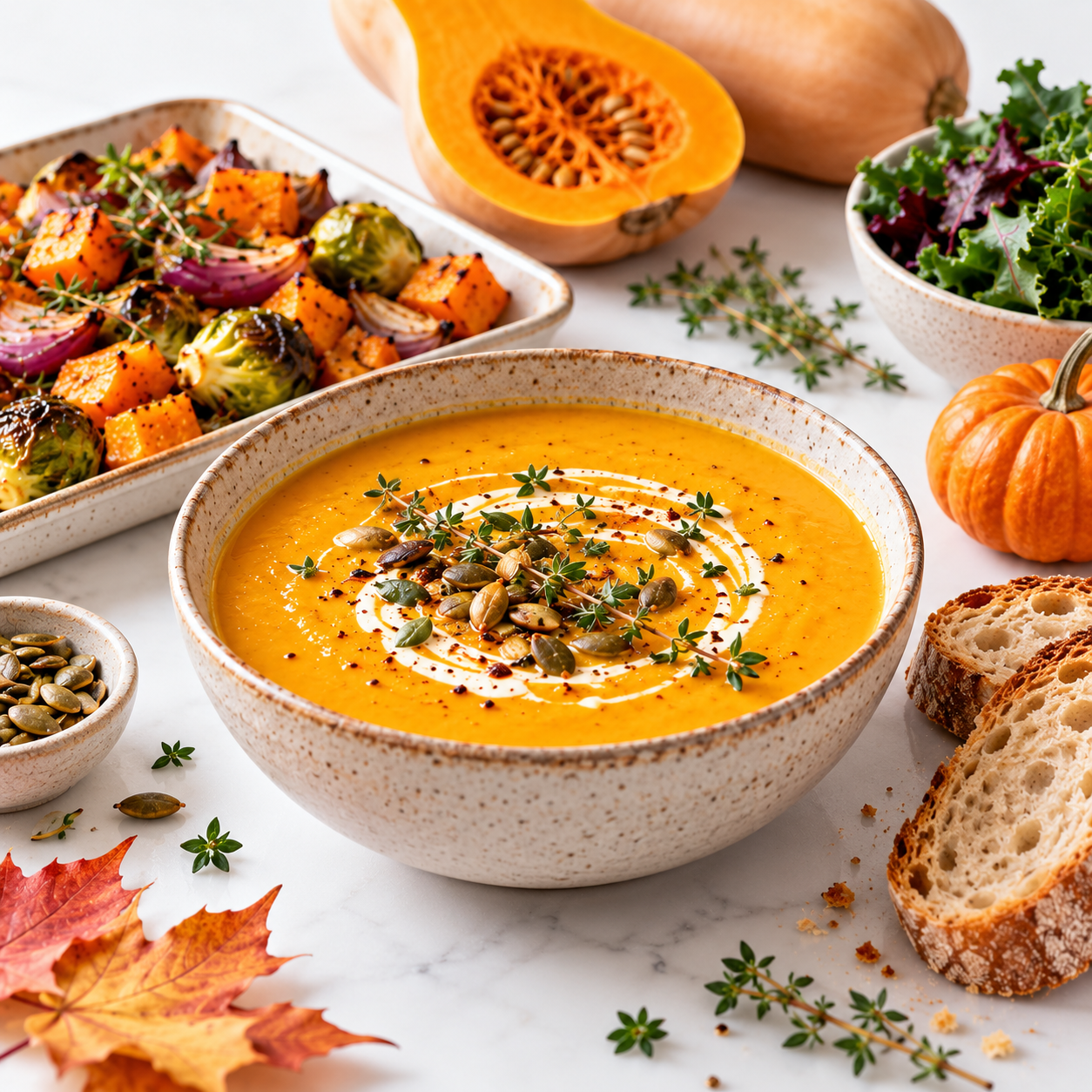
Fall is a strong season for comfort food. Guests begin looking for warm, satisfying dishes that feel familiar but still offer something seasonal. Soups, roasted vegetables, pastas, hot sandwiches, grain bowls, braised proteins, and hearty sides can all help bring comfort-focused items back into rotation.
These dishes also create opportunities for value. A soup and sandwich combo, a seasonal bowl, or a featured pasta can feel substantial to guests while allowing operators to use ingredients efficiently.
The goal is not to add complexity. The goal is to create seasonal menu items that feel timely, satisfying, and easy to execute during regular service.
Think Beyond Dine-In Service
Fall ingredients should also support more than the dining room. October brings continued game day traffic, corporate lunches, school events, team meals, and early holiday planning. This makes catering and takeout important parts of the menu strategy.
Many fall menu items can be adapted for multiple service channels. Roasted vegetables can work as a catering side. Soups can be offered as lunch specials or add-ons. Sandwiches can become boxed lunches or platter options. Warm sides and proteins can support family-style meals or seasonal catering packages.
When ingredients are selected with multiple uses in mind, operators can create more menu opportunities without creating unnecessary operational strain.
Use Seasonal Ingredients to Tell a Menu Story
Seasonal ingredients also help restaurants market their menus. Fall flavors are easy for guests to recognize and connect with. Pumpkin, squash, apples, roasted vegetables, herbs, and hearty grains all signal the shift into a new season.
These ingredients can be promoted through social media, email marketing, table tents, menu inserts, catering flyers, and limited-time offers. A well-planned fall special gives guests a reason to come in, try something new, and return before the season changes again.
Fall Menu Applications for Operators
- Seasonal soups with sandwich pairings
- Roasted vegetable sides for entrées and catering
- Fall grain bowls with squash, greens, and herbs
- Warm sandwiches with seasonal toppings
- Game day appetizers and shareable plates
- Catering packages for corporate lunches and seasonal gatherings
Why Distributor Support Matters
For restaurants and foodservice operators, successful fall menu planning depends on more than inspiration. It requires dependable sourcing, practical product selection, and ingredients that can support multiple areas of the menu.
Working with a reliable foodservice distributor can help operators stay prepared for seasonal specials, catering demand, game day traffic, and everyday service. The right product mix can make it easier to build menus that are creative, efficient, and realistic for the kitchen.
Looking Ahead
A smarter fall menu does not need to be complicated. By focusing on versatile ingredients, cross-utilization, comfort foods, and catering-friendly applications, restaurants can create seasonal interest while supporting kitchen efficiency.
October is the right time to reset the menu, introduce fall flavors, and prepare for the busy months ahead. With thoughtful planning, foodservice operators can do more with fewer ingredients and create menus that feel timely, practical, and profitable.