September is an important planning month for restaurants, caterers, cafés, bars, and foodservice operators. Summer dining is still active, but guest preferences begin to shift as routines change, football season begins, and fall flavors start appearing on menus.
For restaurant operators, this seasonal transition creates an opportunity to refresh menu offerings, introduce limited-time specials, and prepare for fall catering demand. The best September menu ideas are practical, profitable, and easy for guests to connect with.
Bridge the Gap Between Summer and Fall
September menus do not need to move completely away from summer ingredients. In many cases, the strongest seasonal menus combine late-summer freshness with early fall comfort.
Tomatoes, corn, zucchini, berries, leafy greens, apples, squash, root vegetables, herbs, and grains can all help create seasonal variety. These ingredients work well across salads, sandwiches, soups, grain bowls, flatbreads, sides, and limited-time offerings.
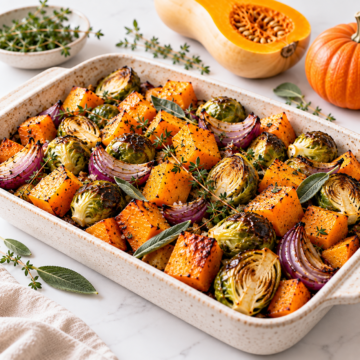
For operators, ingredient flexibility is key. A roasted vegetable blend can be used in a warm grain bowl, a seasonal side dish, or a fall-inspired sandwich. Fresh tomatoes can support salads, appetizers, sandwiches, and catering platters. Using ingredients across multiple menu items can help reduce waste while giving guests more variety.
September Menu Ideas to Consider
- Roasted vegetable grain bowls
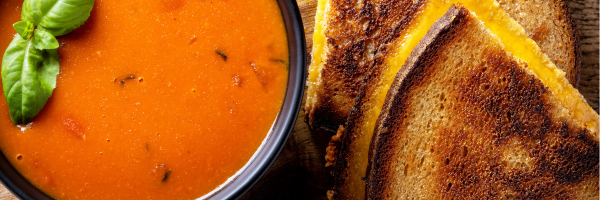
- Seasonal soups and warm sandwiches
- Game day wings, sliders, and loaded fries
- Sandwich platters for catering programs
- Apple, squash, and root vegetable side dishes
- Fall-inspired limited-time specials
Take Advantage of Game Day Traffic
Football season brings a major opportunity for restaurants, bars, and foodservice businesses. Guests are often looking for food that is easy to share, easy to order, and built around group occasions.
Popular game day menu ideas include wings, sliders, burgers, sandwiches, loaded fries, nachos, dips, flatbreads, and appetizer platters. These items work well for dine-in service, takeout orders, catering packages, and bar menus.
Restaurants can also create weekly game day specials to encourage repeat visits. A rotating wing flavor, featured burger, or shareable appetizer can give customers a reason to come back throughout the season.
The best game day menus are flavorful, consistent, and easy for the kitchen to execute during busy service. Operators should focus on items that can be prepared efficiently, hold well, and support higher check averages.
Bring Comfort Foods Back Into Focus
As fall approaches, guests begin looking for warmer, heartier menu options. Comfort foods can help restaurants create seasonal excitement without requiring a full menu overhaul.
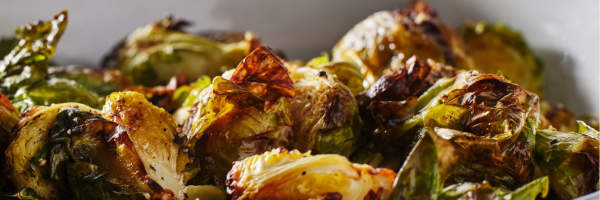
Soups, pastas, roasted vegetables, hot sandwiches, braised proteins, grain bowls, and warm sides are all strong options for September menus. These items can be introduced gradually as specials before becoming part of a larger fall menu.
For example, a restaurant might feature a seasonal soup of the week, a roasted vegetable pasta, a warm turkey sandwich, or a hearty grain bowl with fall-inspired ingredients. These dishes give guests familiar flavors while helping operators transition into the next season.
Prepare for Fall Catering Demand
September is also a smart time to review catering menus. Corporate lunches, school events, community gatherings, team meals, and seasonal celebrations can create new opportunities for restaurants and foodservice operators.
Catering-friendly menu items should be easy to transport, simple to serve, and reliable at scale. Sandwich platters, pasta dishes, fresh salads, grilled proteins, roasted vegetables, sides, and dessert trays can all work well for fall events.
Clear catering packages can also make ordering easier for customers. A lunch package with sandwiches, salad, chips, and cookies or a family-style meal with protein, sides, and dessert can help simplify the ordering process while supporting kitchen efficiency.
Use Seasonal Ingredients to Create Menu Interest
Seasonal ingredients help menus feel fresh and timely. Apples, squash, root vegetables, leafy greens, herbs, grains, and warm spices can bring fall flavor to both savory and sweet menu items.
Operators can use these ingredients in salads, soups, roasted sides, grain bowls, baked goods, and limited-time specials. Seasonal ingredients also give restaurants simple content to promote through social media, email marketing, table tents, and in-store signage.
A few small seasonal updates can make a menu feel new without adding unnecessary complexity.
Looking Ahead
September is the right time for restaurants and foodservice operators to finish summer strong while preparing for fall demand. By focusing on game day specials, comfort foods, catering options, and seasonal ingredients, operators can keep menus fresh, relevant, and practical.
The most effective September menu ideas are simple and strategic. A few well-planned additions can help drive guest interest, support kitchen efficiency, and create momentum as the season changes.
For operators looking to plan ahead, working with a reliable foodservice distributor can help keep menus stocked with the products needed for seasonal specials, catering programs, and everyday service.